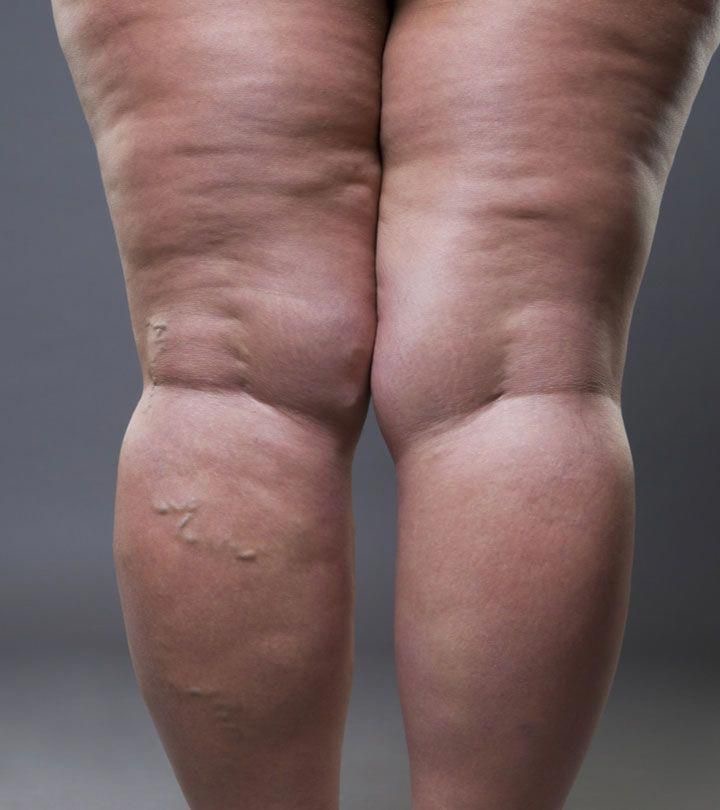

Living with lipoedema can feel incredibly isolating. If you're reading this from your home in Stirling, Falkirk, or anywhere across the Forth Valley, you might know exactly what I mean. That frustrating condition where your legs seem to have a mind of their own, no matter how much you exercise or watch what you eat. The discomfort, the heaviness, the way clothes never quite fit right – it's exhausting, isn't it?
But here's the thing: you're not alone, and there are genuinely helpful treatments available right here in Central Scotland that can make a real difference to your daily comfort.
Understanding Lipoedema: You're Not Imagining It
First off, let's talk about what lipoedema actually is, because so many people go years without a proper diagnosis. Lipedema is a chronic condition that causes an abnormal buildup of fat cells, typically in the legs, thighs, and sometimes arms. It's not about weight – it's a genuine medical condition that affects the way your body distributes and stores fat.
What makes it particularly challenging is that it's often misdiagnosed as simple obesity or lymphedema. But if you've noticed that your lower body seems disproportionate to your upper body, if you bruise easily, or if your legs feel heavy and painful (especially by the end of the day), you might be dealing with lipoedema.
The Real Impact of Lipedema on Daily Life
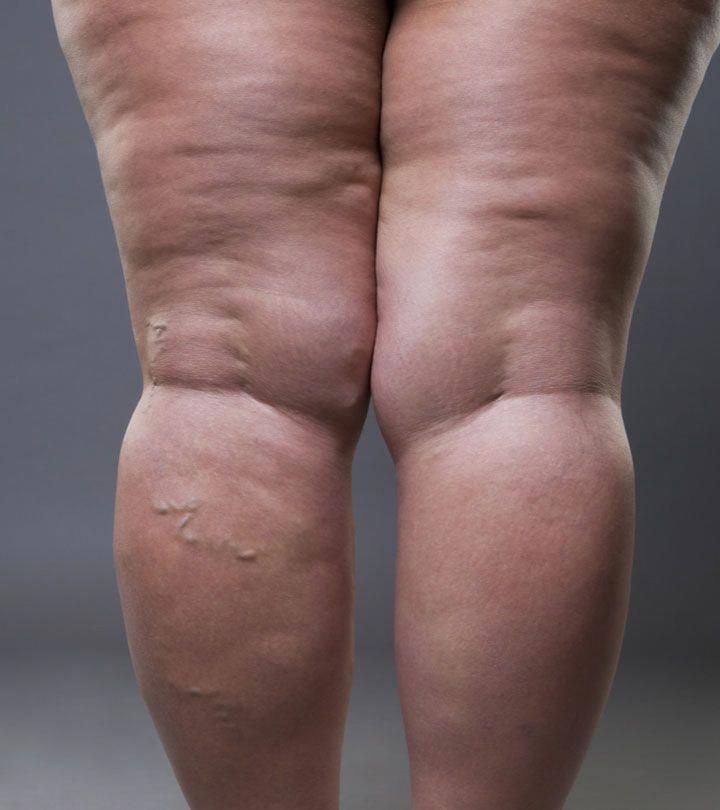
If you're living with lipoedema here in the Forth Valley, you'll know it's not just about appearance. It's about:
- The physical discomfort – that heavy, achy feeling in your legs that gets worse as the day goes on
- The swelling – particularly noticeable after you've been standing at work or walking around Stirling city centre
- The tenderness – even a gentle knock can leave you with bruises that seem to appear from nowhere
- The emotional toll – feeling frustrated when people don't understand it's not simply about diet or exercise
- Reduced mobility – finding it harder to do the things you love, whether that's walking along the River Forth or playing with your grandchildren
The good news? Whilst there's no cure for lipoedema, there are treatments that can significantly improve your quality of life. And one of the most effective, accessible options is compression therapy.
How Compression Boots Can Help: More Than Just Squeezing
Now, when someone first mentions compression boots, you might picture something uncomfortable or restrictive. But modern compression therapy – particularly sequential compression boots – is actually quite a pleasant experience. Many of our clients in Central Scotland describe it as feeling like a gentle, rhythmic massage.
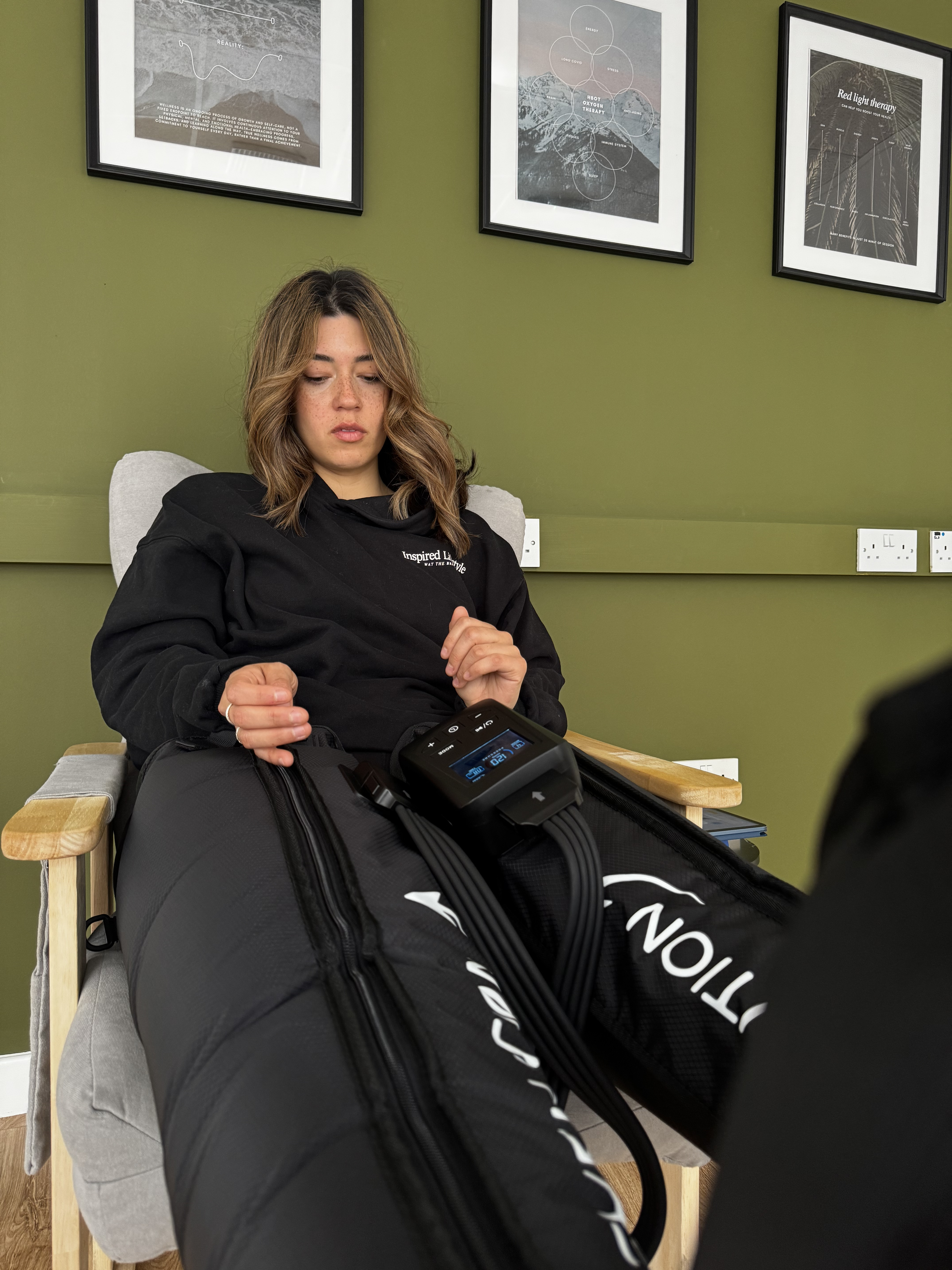
Here's how they work: compression boots use pneumatic (air) pressure to apply graduated compression to your legs. Starting from your feet and moving upward, they gently squeeze and release in a wave-like pattern. This mimics the natural muscle contractions that help move fluid through your body.
The Benefits of Compression Therapy for Lipedema
Let's talk about what compression boots can actually do for you:
1. Reducing Swelling and Fluid Buildup
One of the primary benefits is helping to shift that excess fluid that accumulates in your tissues. When you have lipoedema, your lymphatic system often struggles to do its job properly. Compression therapy gives it a helping hand, encouraging fluid to move out of your legs and back into circulation. Many people notice their legs feel lighter and less swollen after just one session.
2. Easing Pain and Discomfort
That constant ache, the tenderness, the feeling of heaviness – compression therapy can genuinely help with all of this. By improving circulation and reducing inflammation, regular sessions can make day-to-day life much more comfortable. Imagine finishing your shift at work in Falkirk without that overwhelming need to elevate your legs the moment you get home.
3. Improving Mobility
When your legs feel less heavy and painful, moving becomes easier. It's not magic – it's simply that you're addressing the underlying fluid buildup and inflammation that was making movement difficult in the first place. Some of our clients have found they can walk further, stand longer, and generally feel more like themselves again.
4. Better Sleep Quality
Here's something you might not expect: many people with lipoedema struggle with restless legs at night. The discomfort and fluid buildup can make it hard to settle. Regular compression therapy sessions can help reduce these symptoms, leading to better, more restful sleep. And we all know how much better life feels after a proper night's rest, don't we?
5. Supporting Your Overall Treatment Plan
Compression therapy works brilliantly alongside other lipoedema treatments. Whether you're working with a specialist, following a specific exercise programme, or using manual lymphatic drainage, compression boots can enhance these efforts. Think of it as part of your toolkit rather than a standalone solution.
6. Preventing Progression
Whilst compression therapy won't cure lipoedema, there's evidence to suggest that regular treatment can help slow its progression. By keeping inflammation and fluid buildup under control, you're giving your body the best chance to maintain your current level of comfort and mobility.
What to Expect from Compression Boot Sessions
If you're considering trying compression therapy here in the Forth Valley, you might be wondering what actually happens during a session. Let me walk you through it:
You'll typically sit or lie comfortably whilst wearing the compression boots, which look a bit like oversized leg sleeves. Once they're switched on, you'll feel them gently inflate and deflate in sections, creating that wave-like massage sensation from your feet upward. Sessions usually last between 15 to 25 minutes – it's a lovely excuse to sit down, relax, and perhaps catch up on a podcast or simply close your eyes for a bit.
Most people find the sensation quite soothing. You might feel your legs tingling slightly as circulation improves, and many people notice their legs feel noticeably lighter immediately afterward. It's not uncomfortable – if anything, it's rather therapeutic.
How Often Should You Use Compression Therapy?
This really depends on your individual situation. Some people benefit from sessions two or three times a week, whilst others find that once a week is enough to maintain their comfort levels. The beauty of compression therapy is that it's flexible – you can adjust the frequency based on how you're feeling and what your body needs.
Book your Compression Boots Session